


A menudo se habla de la vitamina C y los péptidos como si hubiera que elegir uno u otro. En la práctica, abordan distintas partes de una rutina de cuidado de la piel: la vitamina C se usa ampliamente como apoyo antioxidante y para mejorar la apariencia del tono desigual, mientras que los péptidos se emplean en fórmulas diseñadas para favorecer una piel de aspecto más suave y firme. Para muchas personas, la pregunta útil no es «¿cuál gana?», sino «¿cómo puedo usarlos sin complicar innecesariamente mi rutina?»
La respuesta breve: la vitamina C y los péptidos pueden usarse en la misma rutina cuando cada fórmula se tolera bien. Además, un estudio observacional publicado evaluó una fórmula tópica que contenía péptidos y vitamina C, mientras que las revisiones sobre la vitamina C tópica respaldan su uso en rutinas cosméticas para el fotodaño, la decoloración y las preocupaciones cutáneas relacionadas con el colágeno.
Qué aporta cada ingrediente a la rutina
Vitamina C: luminosidad y apoyo antioxidante
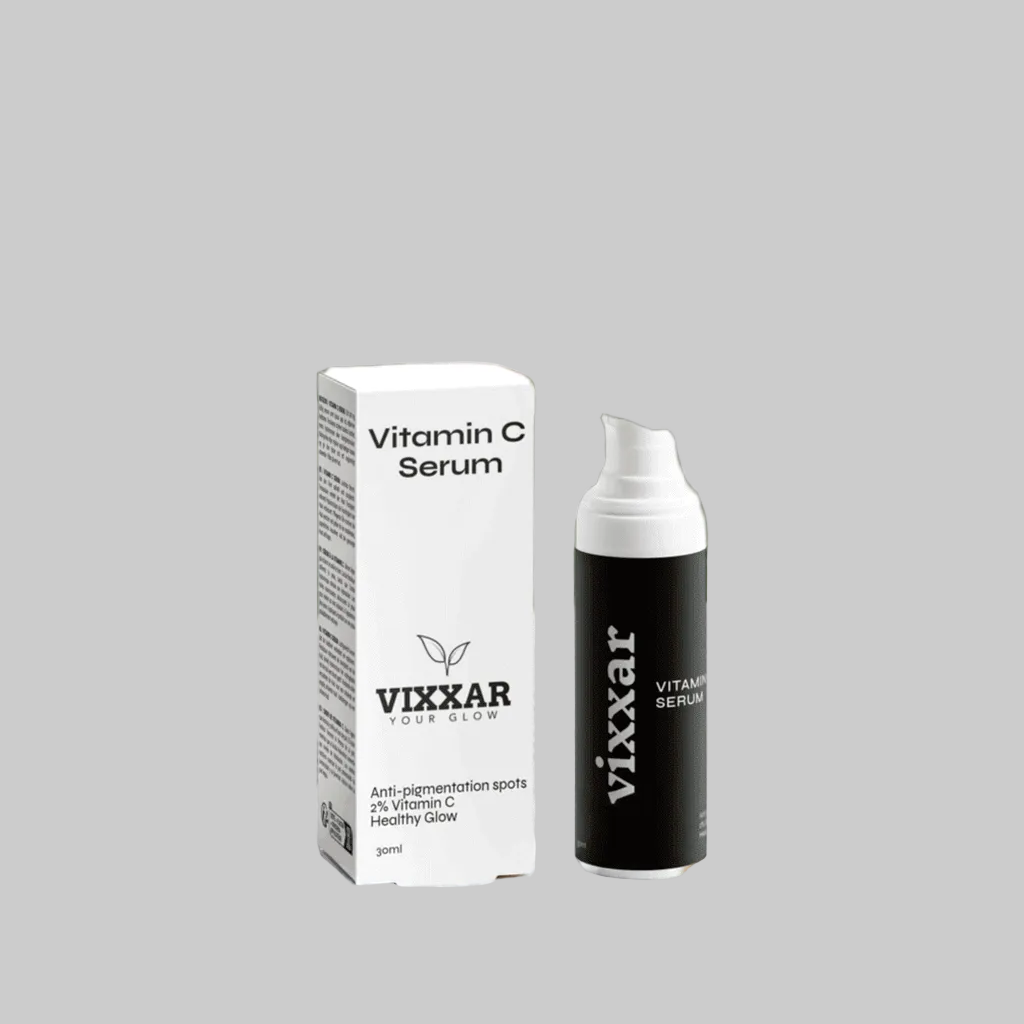
Si tus prioridades son la falta de luminosidad, el tono desigual o los efectos visibles de la exposición ambiental, tiene sentido añadir un paso con vitamina C. El Sérum de vitamina C de 30 ml de Vixxar contiene 2 % de glucósido de ascorbilo con ácido ferúlico y aceites vegetales, en un sérum ligero diseñado para aplicarse antes de la hidratante.
Péptidos: firmeza y apariencia de las líneas de expresión
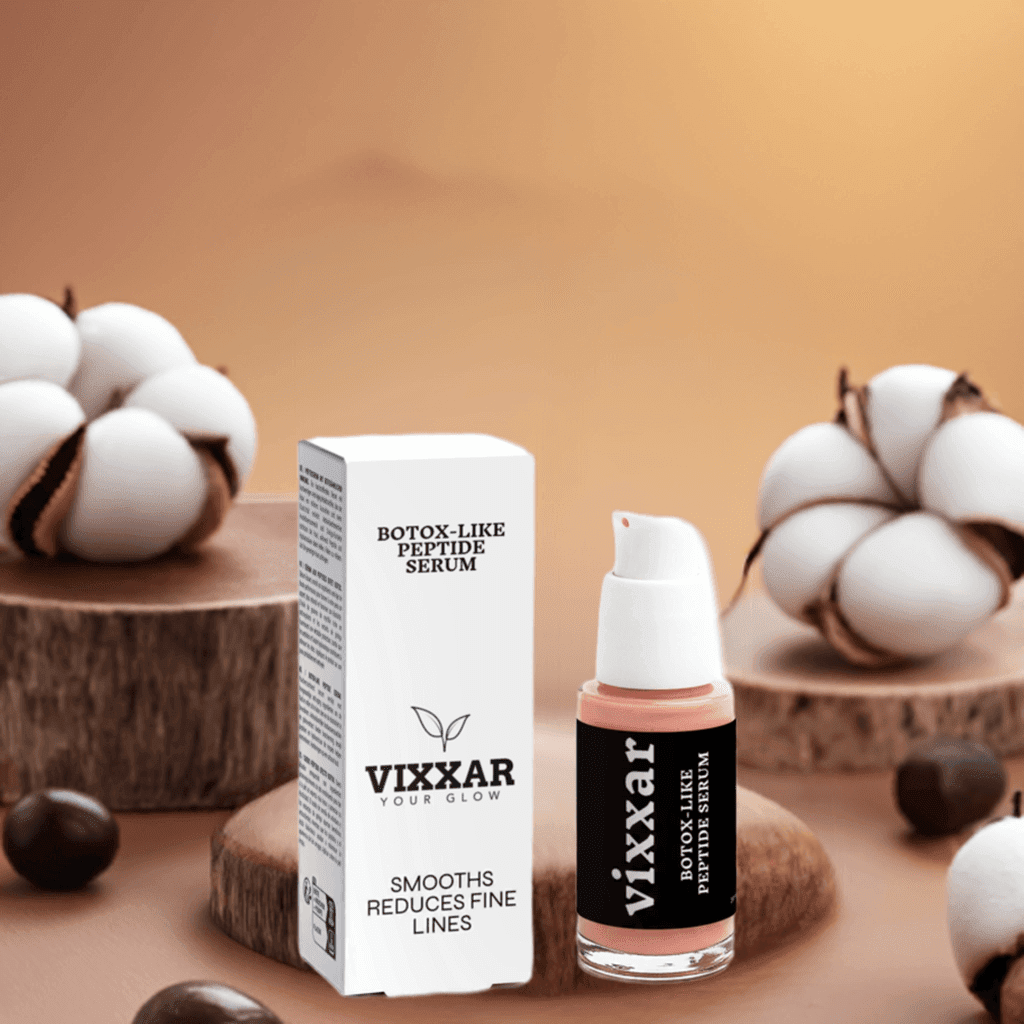
Si tu prioridad son las líneas finas, la pérdida de firmeza o un paso antiedad más específico, considera el Sérum de péptidos antiedad. Combina activos peptídicos con ácido hialurónico y está formulado como tratamiento de mañana y noche antes de la hidratante.
Cómo combinar la vitamina C y los péptidos
Una rutina matutina práctica es: limpieza suave → sérum de vitamina C → sérum de péptidos, si se desea → hidratante → protector solar. Si tu piel prefiere menos capas, usa vitamina C por la mañana y péptidos por la noche. La Academia Estadounidense de Dermatología recomienda aplicar los productos de tratamiento después de la limpieza, seguidos de hidratante y/o protector solar.
¿Qué rutina se adapta mejor a tu principal preocupación?
Opacidad o tono irregular
Empieza con vitamina C. Añade péptidos solo si la firmeza o las líneas finas también son una prioridad.
Líneas finas y firmeza
Convierte el sérum de péptidos en tu tratamiento específico. La vitamina C puede seguir siendo un paso antioxidante complementario por la mañana.
Deshidratación y primeras líneas
Añade una capa de hidratación en lugar de simplemente incorporar otro activo. Un gel centrado en el ácido hialurónico puede aplicarse entre el tratamiento y la crema hidratante.
Piel sensible o fácilmente reactiva
Introduce un producto a la vez. Usar ambos no es un requisito; la tolerancia importa más que crear la rutina más larga posible.
COMPRAR POR PREOCUPACIÓN: Encuentra tu sérum según la preocupación de tu piel
Una rutina equilibrada de Vixxar
Mañana: limpiador → Sérum de vitamina C → Sérum antiedad de péptidos (opcional cuando la firmeza es una prioridad) → crema hidratante → protección solar adecuada para el día.
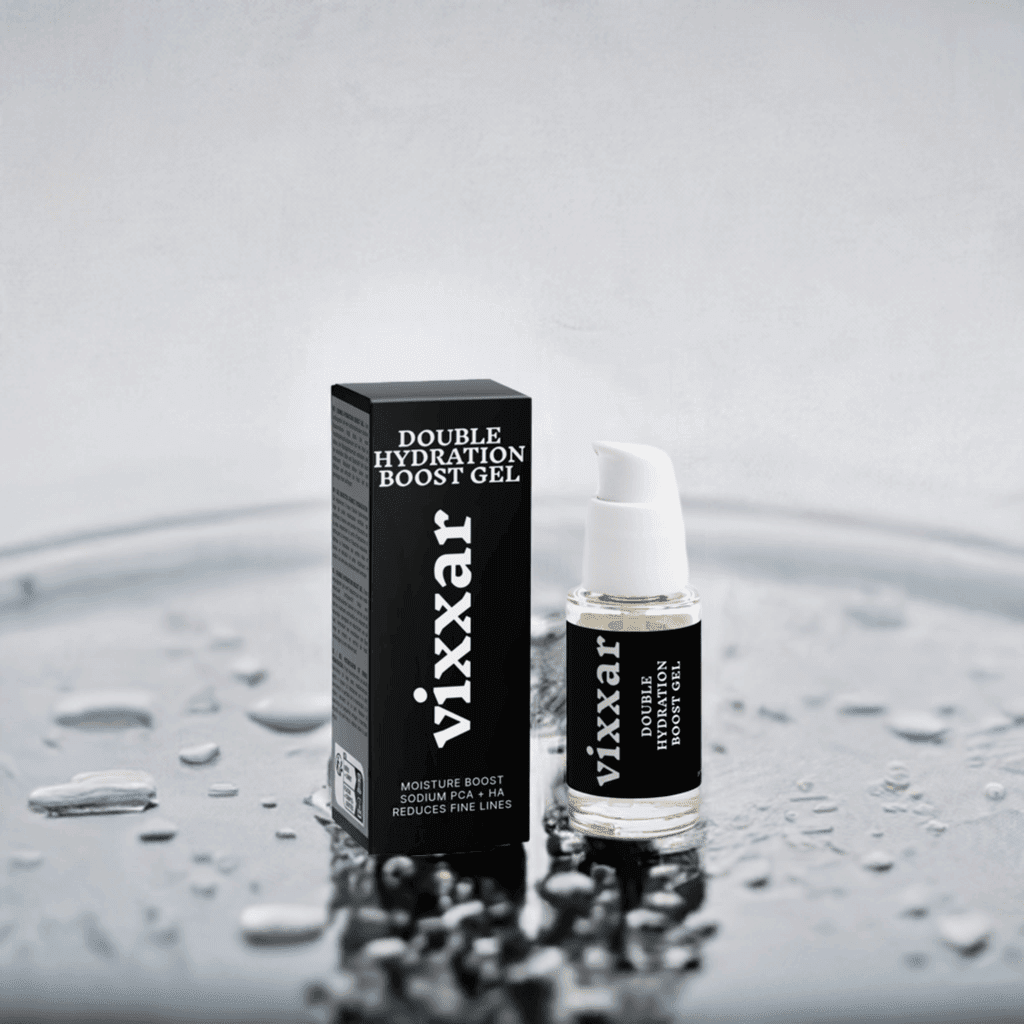
Noche: limpiador → Sérum antiedad de péptidos → crema hidratante. Si sientes la piel deshidratada, aplica Double Hydration Boost Gel antes de la crema hidratante.
La decisión de compra: ¿necesitas ambos?
Elige según la preocupación que realmente quieras tratar. La vitamina C es el mejor punto de partida para una rutina centrada en la luminosidad; los péptidos son el mejor punto de partida para una rutina centrada en la firmeza. Si ambas preocupaciones son importantes, los productos pueden desempeñar funciones distintas en lugar de competir por la misma.
¿LISTA PARA EL SIGUIENTE PASO? Descubre el cuidado natural antiedad de Vixxar
Preguntas frecuentes
¿Puedo usar un sérum de péptidos después de la vitamina C?
Sí, si ambas fórmulas se toleran bien. Aplica las capas de tratamiento más ligeras antes de la crema hidratante.
¿Debo usar primero la vitamina C o los péptidos?
Si usas ambos en la misma rutina, puedes aplicar primero un sérum ligero de vitamina C y después un sérum de péptidos. La textura de la fórmula también puede influir en el orden.
¿Puedo usar péptidos por la noche y vitamina C por la mañana?
Sí. Repartirlos entre la mañana y la noche es una opción práctica para quienes prefieren aplicar menos capas.
¿Los péptidos sustituyen a la crema hidratante?
No. Un sérum de péptidos es un paso de tratamiento; la crema hidratante sigue siendo útil para la hidratación y el refuerzo de la barrera cutánea.


